GX-MIPI-IMX662 can't save fps parameter
-
@alex_ai I used firmware version 1.14 for comparison and did not observe any significant noise changes in gamma mode 1 compared to other modes. Could you provide your specific usage parameters and environment?
-
Hi @veye_xumm, I didn't say that this is issue, this parameter needs to be changed only in case video recording of the night sky (meteor detection)
From issues what I noticed:
-
can't save fps - always 60 after power on
-
Sometimes saved parameters resets to default (noticed when set metime to 33333 but forgot set fps 30 before) and manual expmode switched back to auto
-
-
Hi @veye_xumm, I'm still trying to configure imx662 for night capturing (meteor detection) and probably you can help me to clarify what is wrong.
I have several cameras from VEYE (imx462 and imx462 mono) and also imx662 mono from another vendor.
And for all cameras configuration pretty same - use 30fps, exposure time 33333 and gain 30Db for mono version and up to 34Db color version (this range approximately within analog gain).
What I see in GX imx662 - for same parameters image too dark, some brightness I can get from gamma_index (with value 5 or 10) but it still not enough
To get required brightness of image I have to increase gain to 45 which leads to boost digital gain and as result more noise, more hot pixels and overbrighted (oversized) stars.
Questions:
- What could be wrong? (imx662 mono works as expected, not sure it is sensor issue)
- Can I read sensor registors same as on imx462?
My current config (Raspberry Pi 5, Trixie) :
./gx_mipi_i2c.sh -w fps 30 -b $i2cBus
./gx_mipi_i2c.sh -w expmode 0 -b $i2cBus
./gx_mipi_i2c.sh -w metime 33333 -b $i2cBus
./gx_mipi_i2c.sh -w mgain 34 -b $i2cBus
./gx_mipi_i2c.sh -w denoise_strength_3D 0 -b $i2cBus
./gx_mipi_i2c.sh -w denoise_strength_2D 0 -b $i2cBus
./gx_mipi_i2c.sh -w sharppen 30 -b $i2cBus
./gx_mipi_i2c.sh -w gamma_index 5 -b $i2cBus
./gx_mipi_i2c.sh -w daynightmode 1 -b $i2cBus
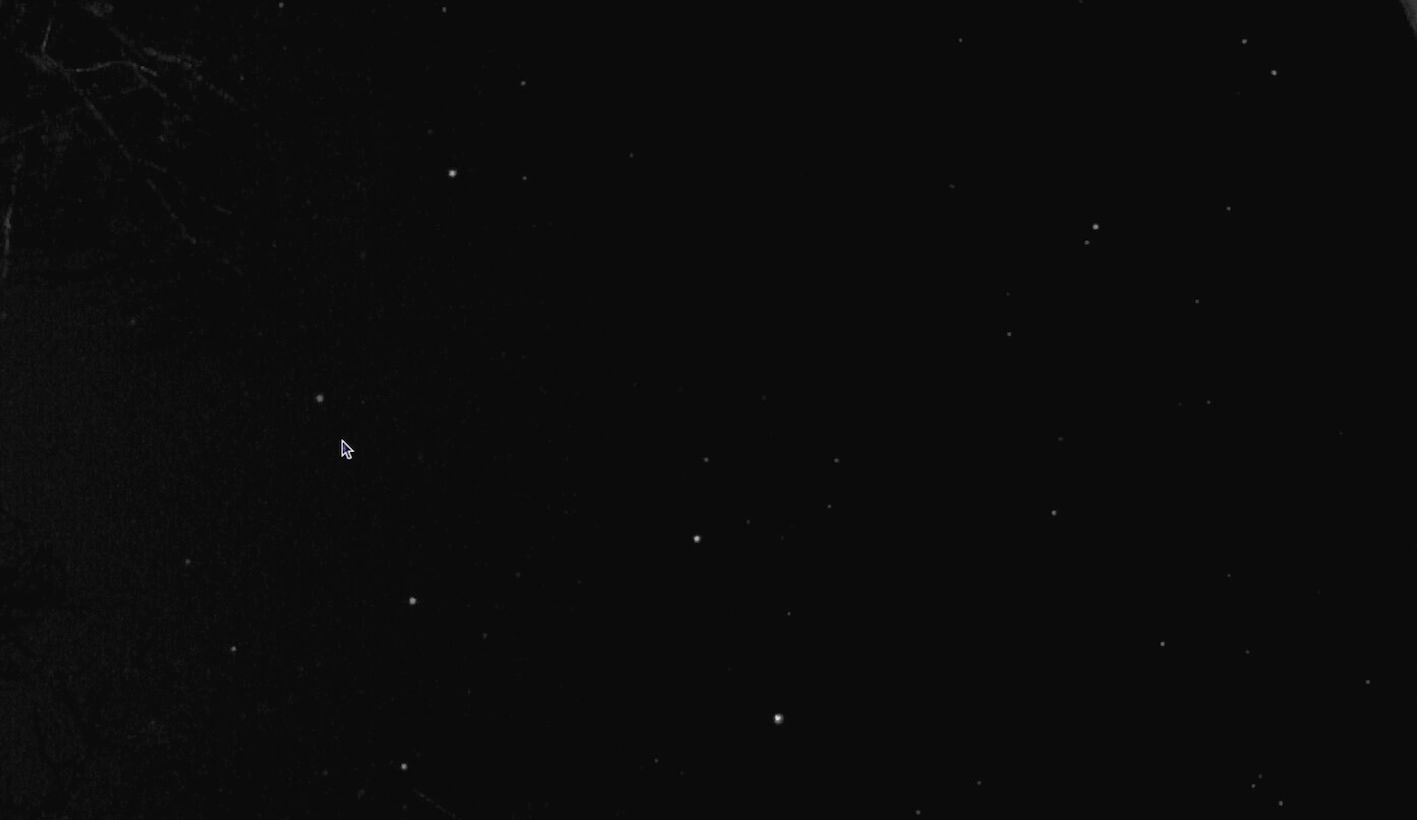
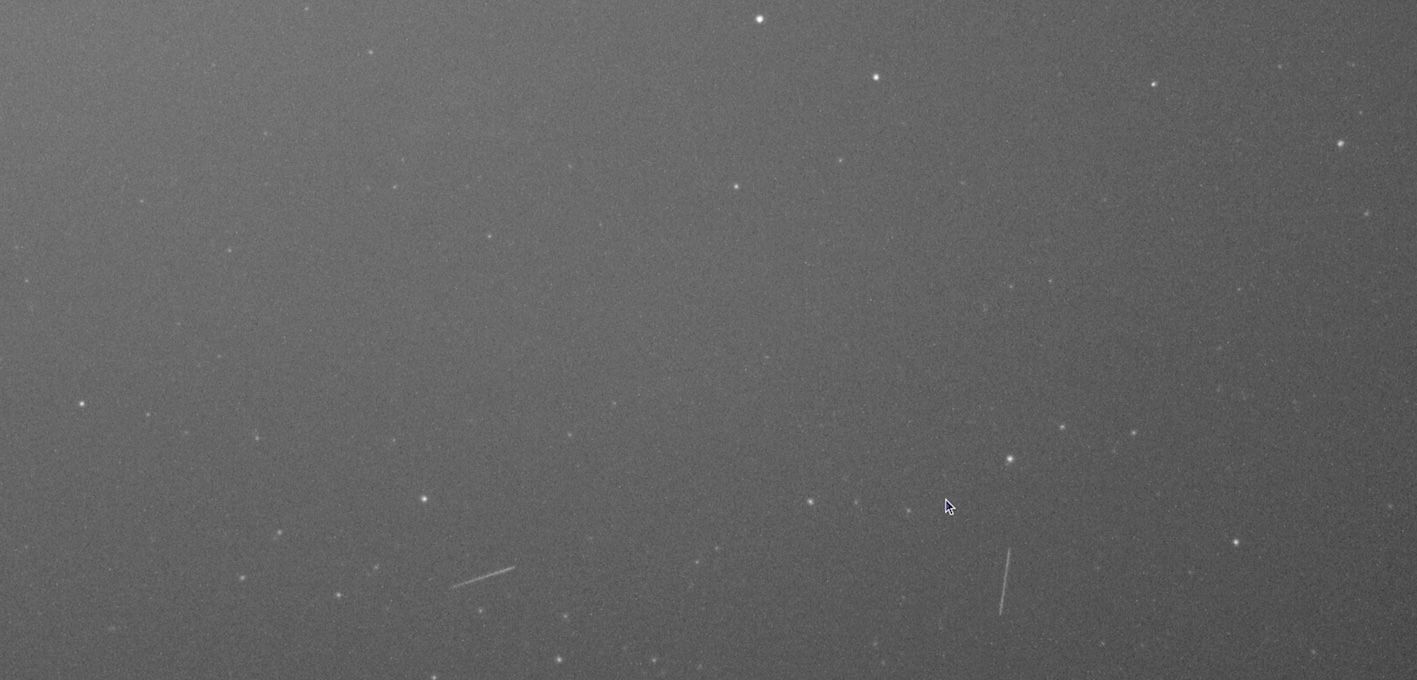
Example of image in same time and same parameters (gain 34) for:
GX IMX662
VEYE IMX462
-
@alex_ai First, let me explain the gain configuration logic for the GX-MIPI-IMX662. The IMX662 features 30dB of Analog Gain and supports High Conversion Gain (HCG). The HCG function acts as an amplification during the sensor's analog signal readout, equivalent to 15.3dB.
Therefore, when we configure the "Again" parameter, the actual range is [0, 45.3dB]. This means you can set the Analog Gain up to 45dB without enabling Digital Gain (Dgain).
Currently, our firmware integrates HCG into the "Again" setting, which may have caused some confusion during your testing.
As for the feature to read sensor registers, I have added it to the development roadmap. It will be provided later via a firmware update package. -
We recently updated the ISP tuning. Please give it a try.
-
Hi @veye_xumm,
Thank you for new update and letting me know!On first look - the original issue was fixed - now I can save fps parameter and we could close this topic.
About night sky image, I don't see visible differences and want to play with parameters one more time and monitor camera registers.
I see was added new feature:
./gx_mipi_i2c.sh -r snsreg [sensor reg addr] -b your_i2c_bus_numberI tried check sensor gain (register 0x3070) but not sure what should be reg address, tried 0x3070 and 0x70 (seems like it is expecting value less than 0x100)
if you could provide example - it would be helpful
Thanks
-
@alex_ai
I would recommend using the exptime and curgain functions first to check the current performance of the camera module. If you are familiar with the sensor registers, you can verify the sensor's working status by reading registers 0x3070 and 0x3071. -
@veye_xumm yes, I want to verify camera sensors but this command doesn't work for me, that is why I asked example.
 $ sudo ./gx_mipi_i2c.sh -r snsreg 0x3070 -b 6
 Read Sensor Reg 0x3070, val=0xffffffffffffffff
Unfortunately, my night sky tests failed:
-
Without an IR filter, I can't get the stars into focus for some reason—they are always blurry and haloed.
-
With an IR filter, the stars are in focus but they become extremely dim.
I'll probably stick with the old IMX462 sensor for my projects.
-
-
I'd like to first confirm your firmware version with you. As shown below, everything is working fine on my end.
pi@raspberrypi:~/gx_product_tool $ ./gx_mipi_i2c.sh -r snsreg 0x3070
Read Sensor Reg 0x3070, val=0x0
pi@raspberrypi:~/gx_product_tool $ ./gx_mipi_i2c.sh -r snsreg 0x3071
Read Sensor Reg 0x3071, val=0x0

pi@raspberrypi:~/gx_product_tool $ ./gx_mipi_i2c.sh -r version
Read version is C 01.32 and L 01.19
Regarding the image quality during IR-cut switching, may I ask whether you are using the same IR-cut filter for both the IMX662 and the IMX462? Also, could you share some sample images with me?
-
@veye_xumm
the version is same :rms@raspberrypi10:~/source/raspberrypi_v4l2/gx_i2c_tools $ ./gx_mipi_i2c.sh -r version Read version is C 01.32 and L 01.19Also updated and rebuilt source code - same result (only one difference I see : you are using gx_product_tool folder, for me it is gx_i2c_tools)
We use F0.95 lenses on our cameras and remove the IR-cut filter to capture more starlight. The downside is that we can only achieve perfect focus for either visible or infrared light, though sharp focus is still possible for each individually. In our setup, we compromise by focusing somewhere in between.
We see this exact behavior on our IMX462, IMX462 mono (VEYE), and IMX662 mono (another vendor ) sensors. However, on the color IMX662 sensor, I am unable to get a sharp focus at all. It feels as if the visible light and infrared light from the star interfere with each other simultaneously, making the image constantly blurry.
I thought I could at least use this camera with an IR-cut filter, but for some reason, the stars became extremely dim. I am not sure if this is a software issue, or if the color Starvis 2 sensor simply handles light differently.
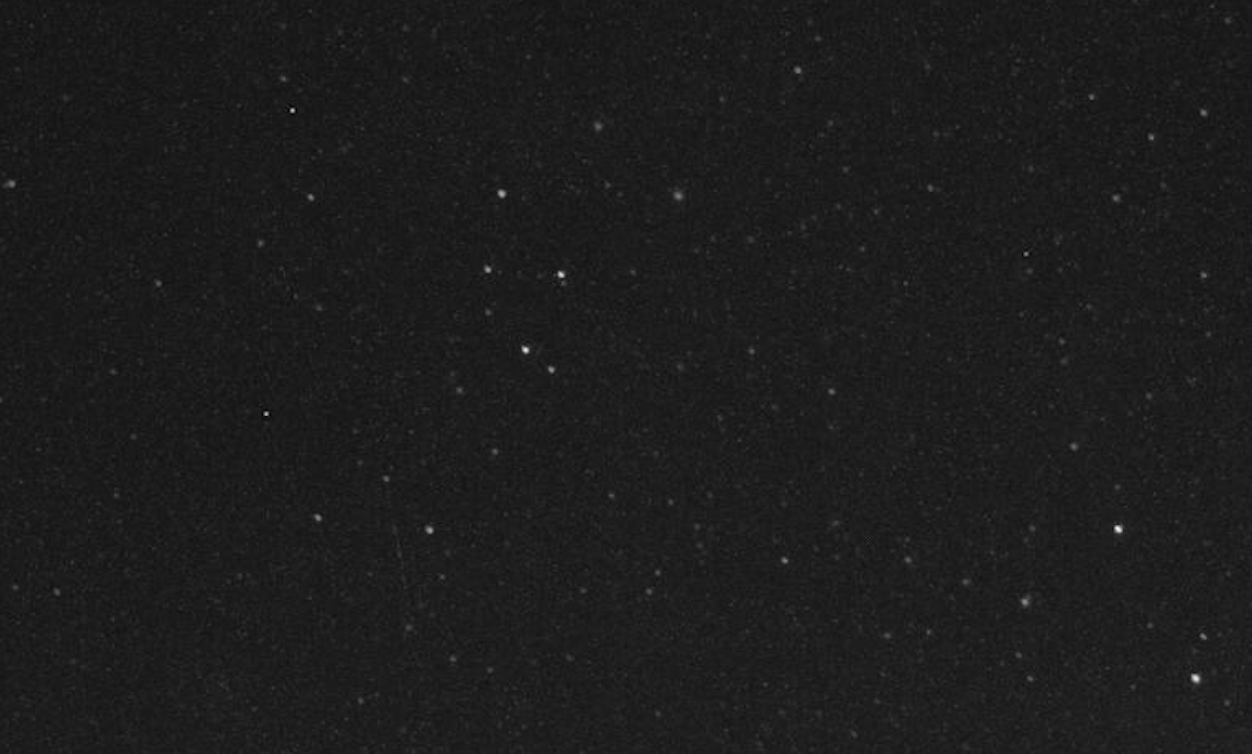
See the sample photos below (please note - it is stack of 8 seconds) :
imx662 without IR filter and no focus
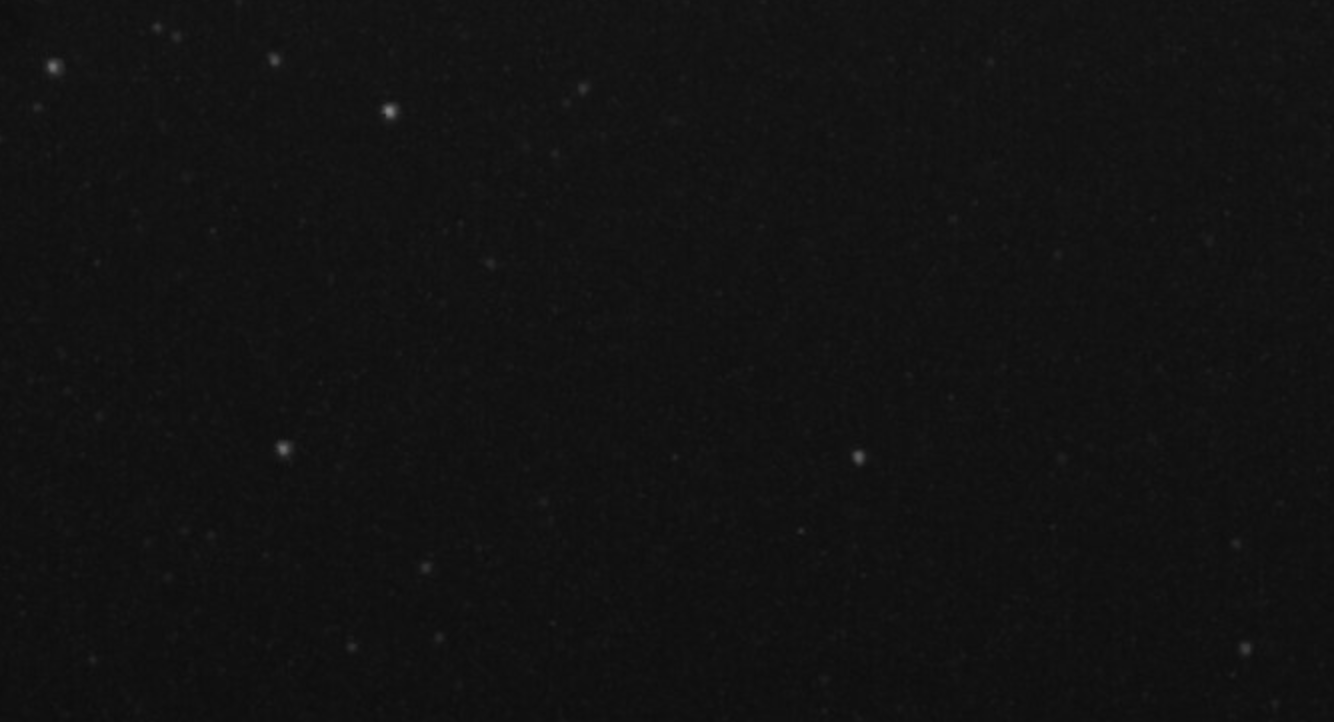
imx662 with IR filter and stars extremely dim
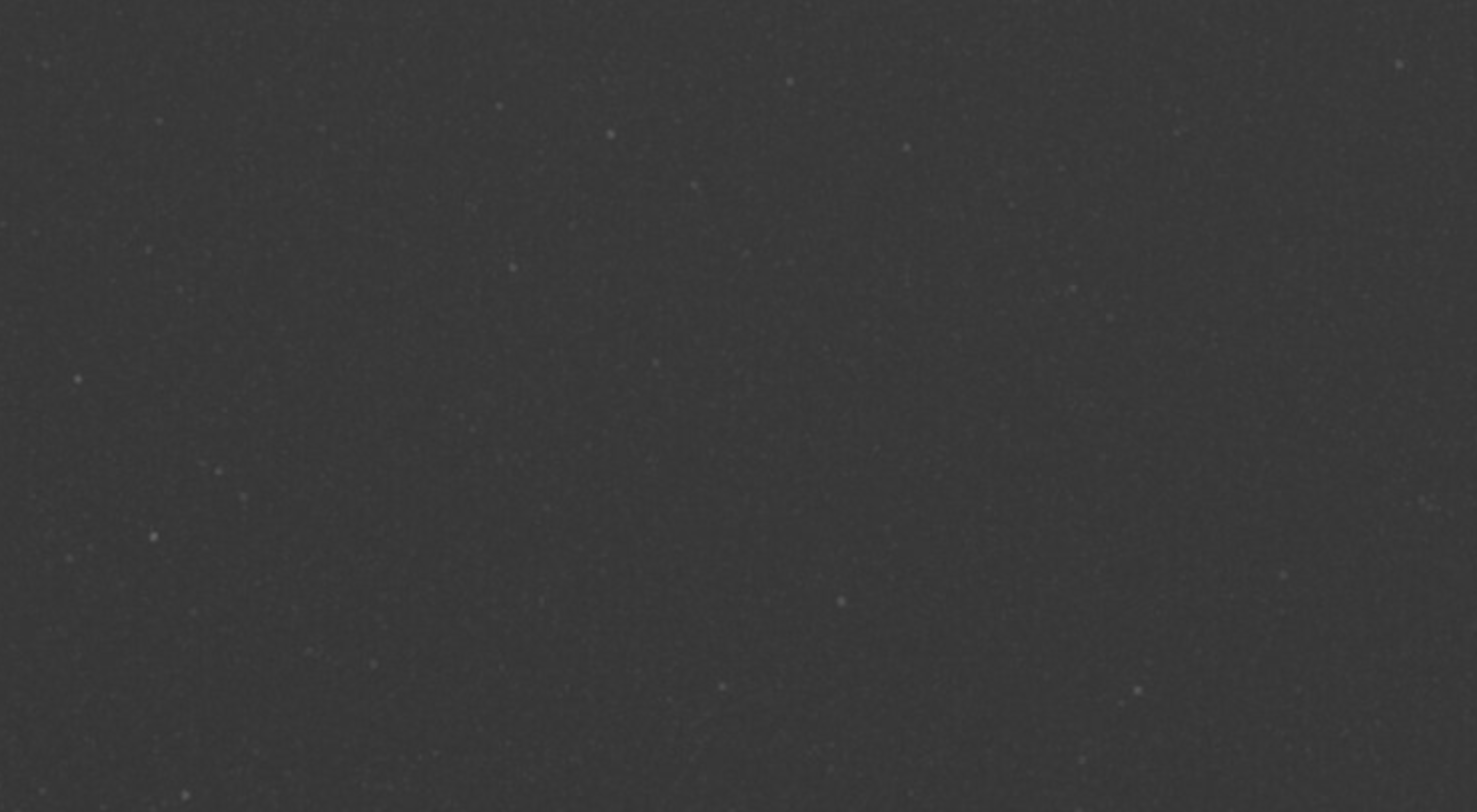
and my imx662 mono sensor, without IR filter
-
@alex_ai
For your use case, I'd suggest giving it a try — reduce the denoise2d and denoise3d values, or even set them to 0. At the same time, you can also try lowering the sharpen value. -
Hi @veye_xumm ,
All my tests for parameters denoise2d, denoise3d and sharppen already have 0 value.
Also played with all parameters in veye_viewer (very useful app) - no luck -
@alex_ai Sure, I'll keep an eye on this issue going forward. Thanks for your feedback.

Hello! It looks like you're interested in this conversation, but you don't have an account yet.
Getting fed up of having to scroll through the same posts each visit? When you register for an account, you'll always come back to exactly where you were before, and choose to be notified of new replies (either via email, or push notification). You'll also be able to save bookmarks and upvote posts to show your appreciation to other community members.
With your input, this post could be even better 💗
Register Login